

Läs våra mjölguider och lär dig mer om vårt vete, råg, havre och våra kära kulturspannmål. 🌾
Flour guide
Welcome to the fascinating world of flour! 🌾
Flour guide
Welcome to the fascinating world of flour! 🌾
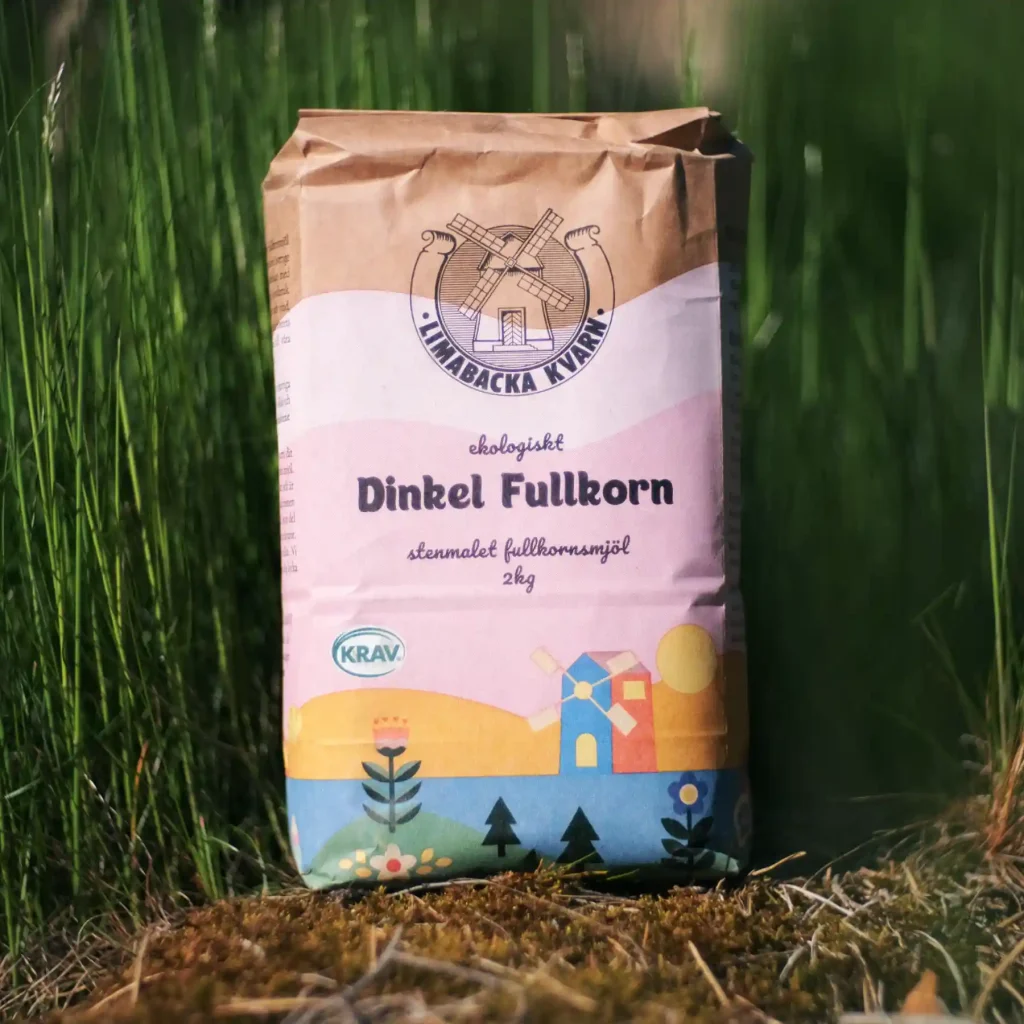
Here we provide you with easy-to-understand answers to questions about flour. Our aim is to help you make informed choices about flour that result in delicious bread, whilst contributing to organic and sustainable farming.
Six generations of millers have given us a vast store of knowledge, gained both through years of accumulated experience and through the intuitive understanding that only comes with time and tradition. At the same time, as millers, we never stop learning – and here we continue to explore the craft, together with you.
Six generations of millers have given us a vast store of knowledge, gained both through years of accumulated experience and through the intuitive understanding that only comes with time and tradition. At the same time, as millers, we never stop learning – and here we continue to explore the craft, together with you.

Roller-milled and stone-ground flour are two different methods of processing grain, with the process affecting the flour’s taste, texture and character.
In roller milling, the parts of the grain are separated and mainly the endosperm is used, whilst stone milling preserves the whole grain and produces a coarser wholemeal flour with more of the grain’s natural flavour and nutrients.
In roller milling, the parts of the grain are separated and mainly the endosperm is used, whilst stone milling preserves the whole grain and produces a coarser wholemeal flour with more of the grain’s natural flavour and nutrients.
- sifted flour, stone mill, wholegrain flour
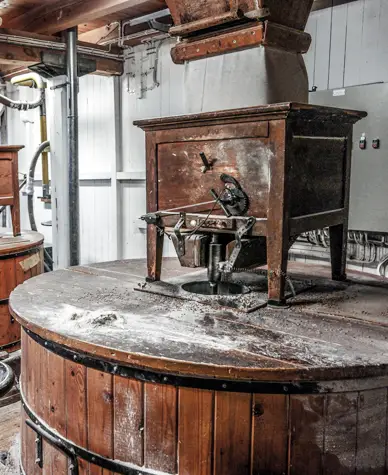
Find out how stone-grinding and sifting affect the characteristics of the flour – from our light-coloured Special Wheat Flour, which produces bread with a high volume, to richer wholemeal varieties that are ground at the mill.
Here, we explain the differences between stone-ground and sifted flour.
Here, we explain the differences between stone-ground and sifted flour.
- sifted flour, stone mill, wholegrain flour

What are the health benefits of wholemeal flour, and why does the milling process affect its nutritional content?
When the whole grain is included in the milling process, more of the grain’s natural nutrients are preserved, resulting in both a richer flavour and a higher nutritional value.
When the whole grain is included in the milling process, more of the grain’s natural nutrients are preserved, resulting in both a richer flavour and a higher nutritional value.
- heritage grains, stone mill, wholegrain flour
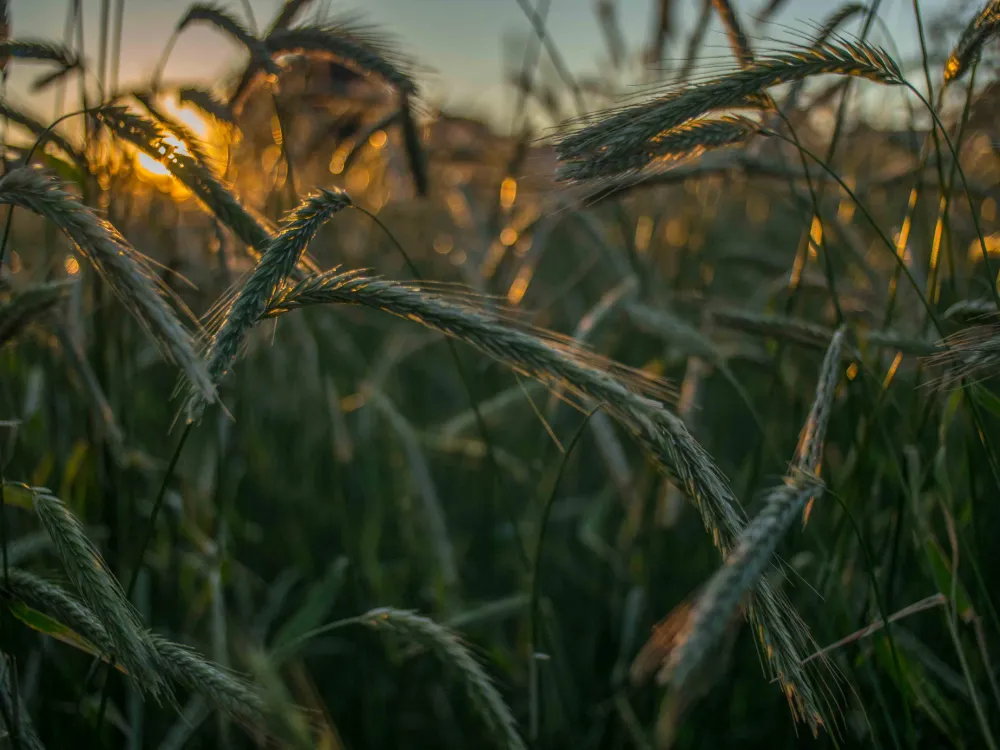
Heritage grains such as slash-and-burn rye, einkorn, emmer and spelt have been grown long before the advent of modern agriculture and produce flour with a natural flavour and distinct character.
Tall and robust, they contribute to sustainable agriculture and biodiversity.
Tall and robust, they contribute to sustainable agriculture and biodiversity.
- featured posts, heritage grains, landrace wheat, wholegrain flour
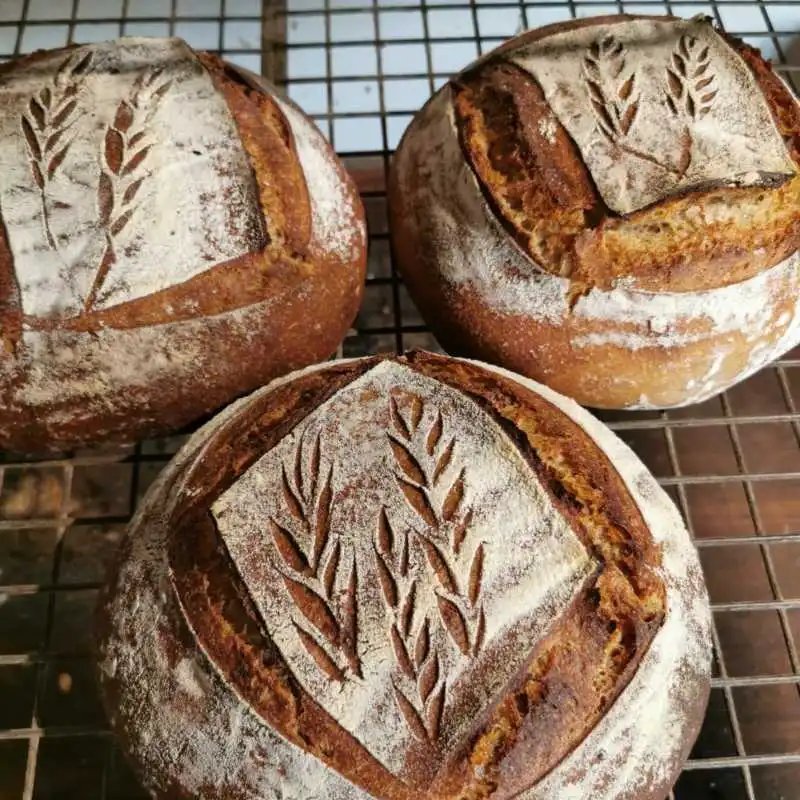
Baking with heritage grains and landrace wheat involves working with cereals that were cultivated and bred long before the advent of industrial agriculture, where varieties such as spelt, emmer, einkorn, purple wheat and slash-and-burn rye produce flour with a distinct character and natural variation.
They require a more intuitive approach to baking, but in return offer a deeper flavour and a closer understanding of the history of baking.
They require a more intuitive approach to baking, but in return offer a deeper flavour and a closer understanding of the history of baking.
- featured posts, heritage grains, landrace wheat, sourdough baking
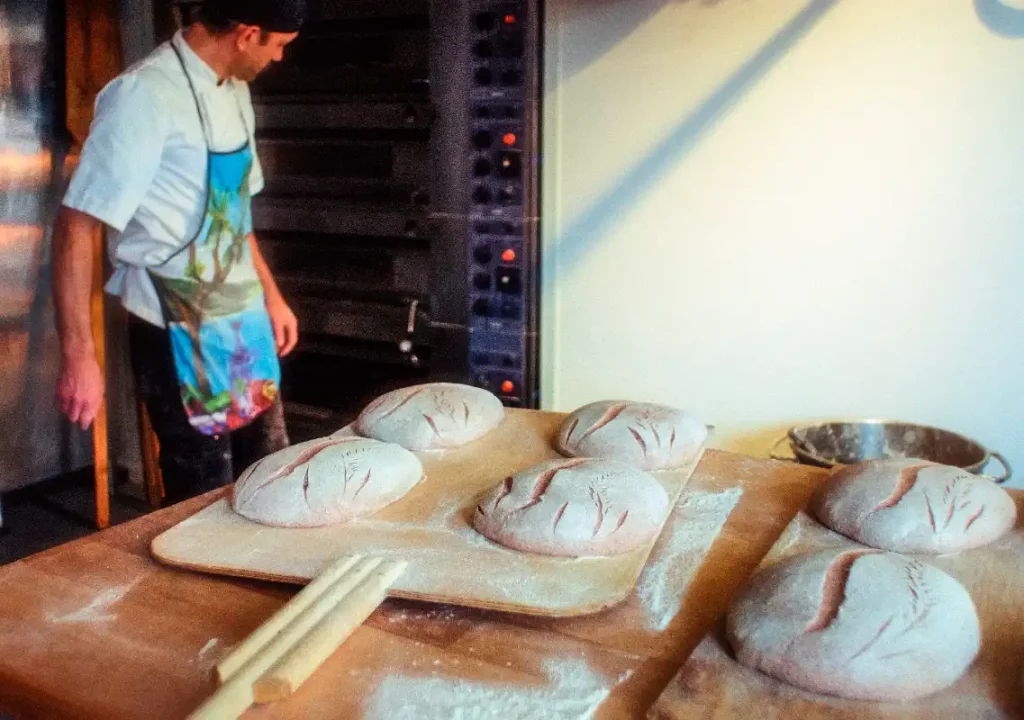
Sourdough baking can feel a bit tricky at first, and the hardest part is often getting the sourdough starter going and keeping it active.
Organic, stone-ground wholemeal flour contains more natural yeast, bacteria and minerals, resulting in a livelier sourdough that is easier to work with.
Organic, stone-ground wholemeal flour contains more natural yeast, bacteria and minerals, resulting in a livelier sourdough that is easier to work with.
- heritage grains, Organic flour, sourdough baking
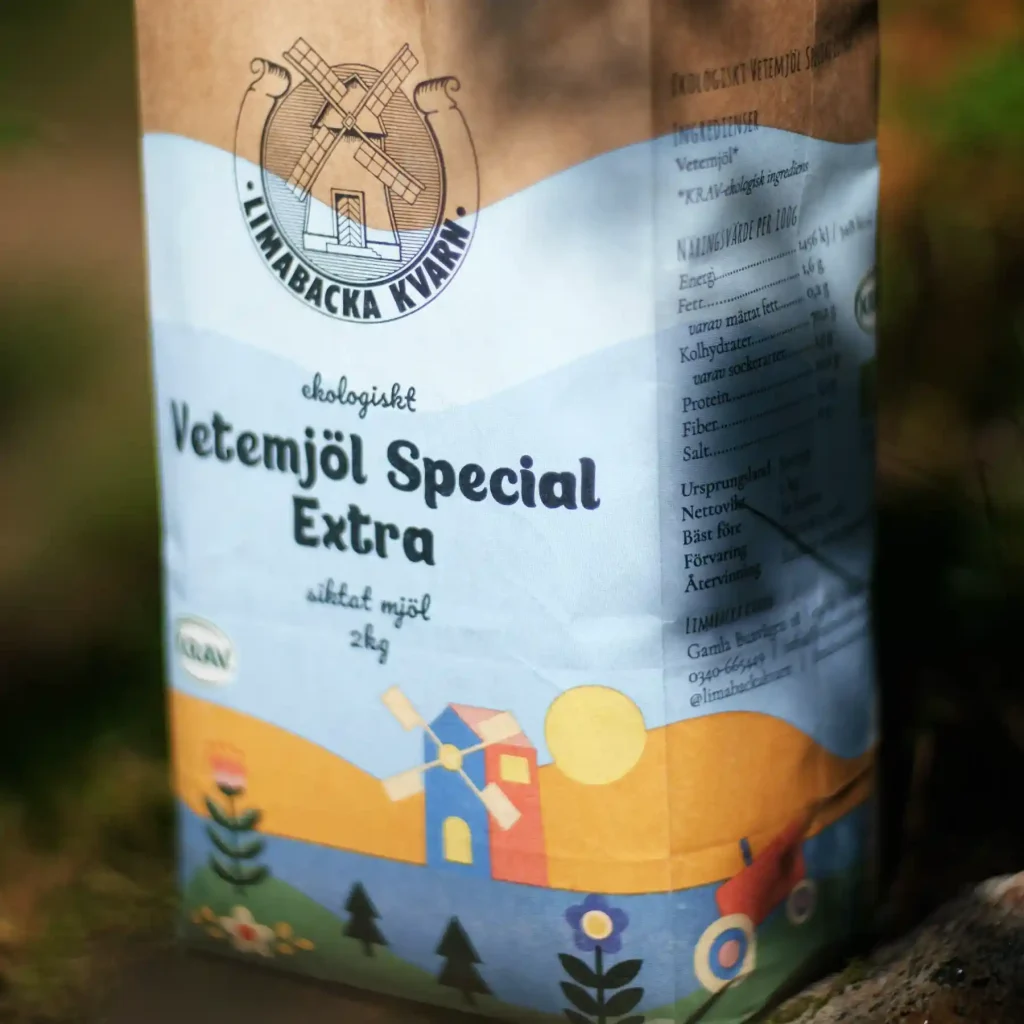
Spring wheat and winter wheat differ in both their growth cycle and characteristics, which affects the quality of the flour, its baking properties and its uses.
Spring wheat is sown and harvested in the same year and often produces a stronger flour, whereas winter wheat is sown in the autumn and overwinters in the ground.
Spring wheat is sown and harvested in the same year and often produces a stronger flour, whereas winter wheat is sown in the autumn and overwinters in the ground.
- sourdough baking, wheat flour
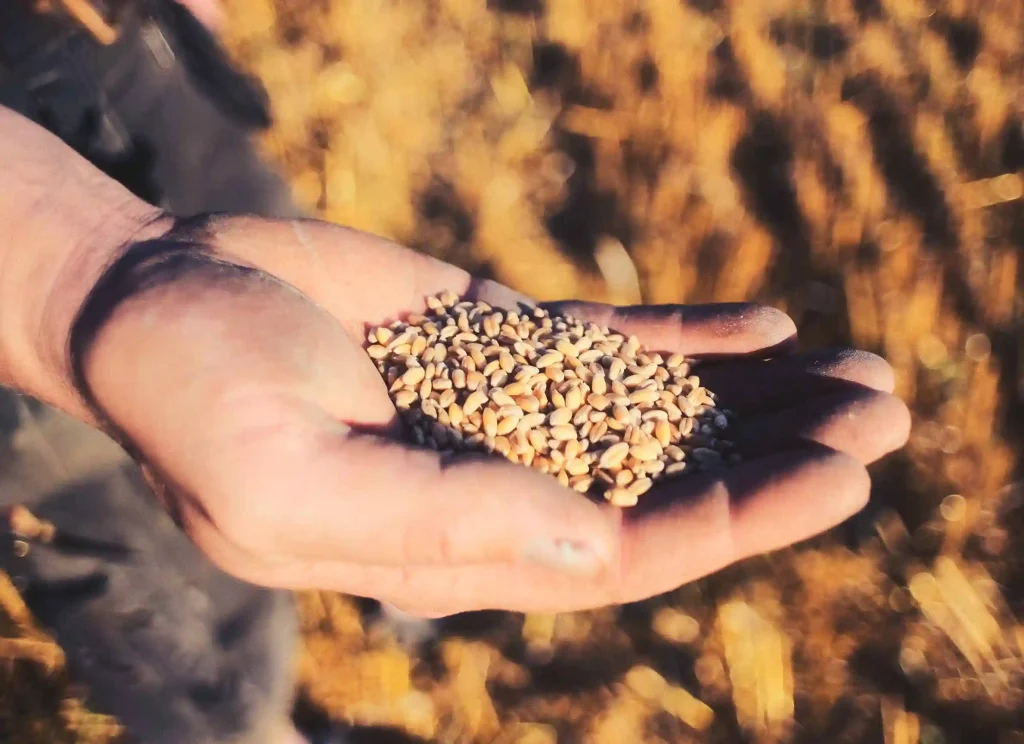
The protein content of the flour plays a crucial role in how the dough develops, how the gluten forms, and how the bread behaves in the oven.
When the proteins in the flour are mixed with water, gluten forms – an elastic network that traps fermentation gases and gives the bread volume, structure and a pleasant chew.
When the proteins in the flour are mixed with water, gluten forms – an elastic network that traps fermentation gases and gives the bread volume, structure and a pleasant chew.
- farming, gluten
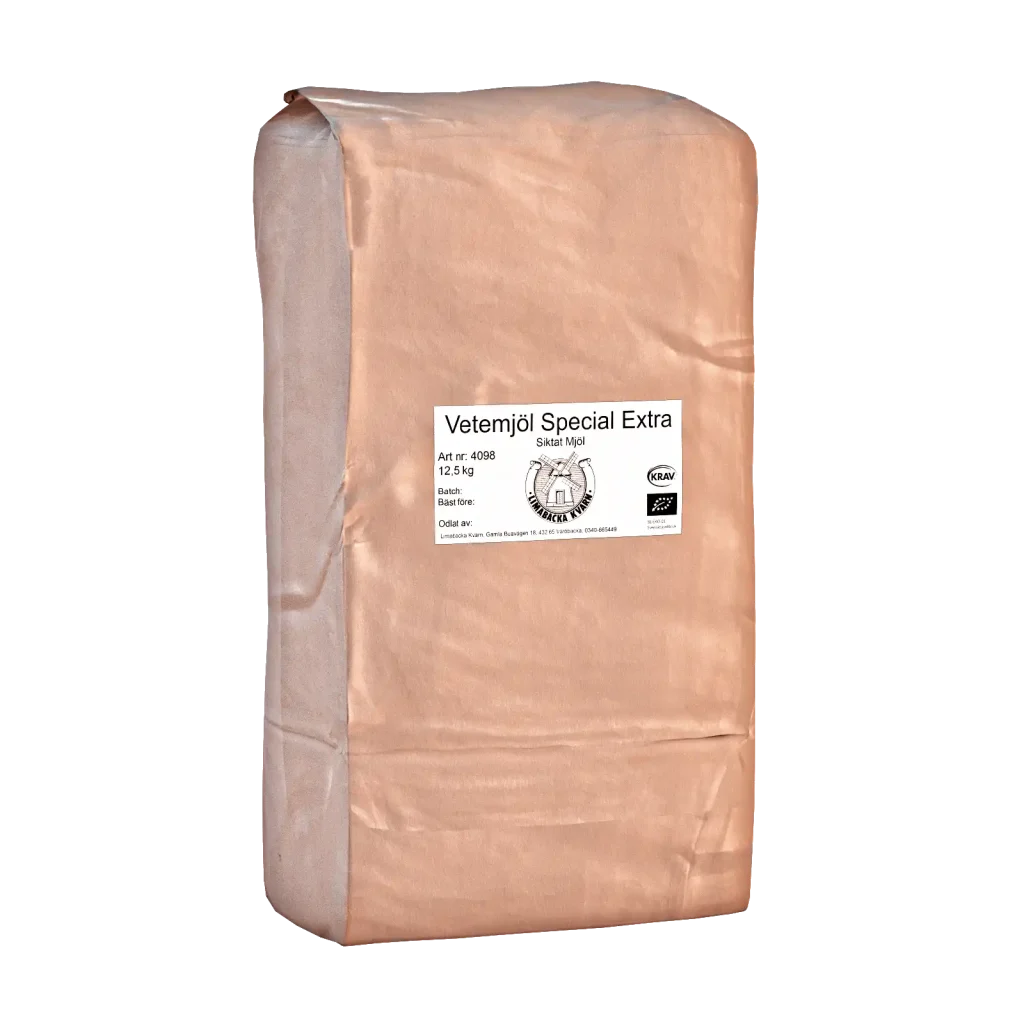
Gluten plays a key role in baking by giving the dough structure, elasticity and the ability to retain volume, but it can also be problematic for some people.
It is a natural protein network found in grains such as wheat, barley and rye, which develops during kneading and traps the gases produced during fermentation, giving the bread springiness, volume and a light, airy crumb.
It is a natural protein network found in grains such as wheat, barley and rye, which develops during kneading and traps the gases produced during fermentation, giving the bread springiness, volume and a light, airy crumb.
- gluten, heritage grains, protein, sourdough baking
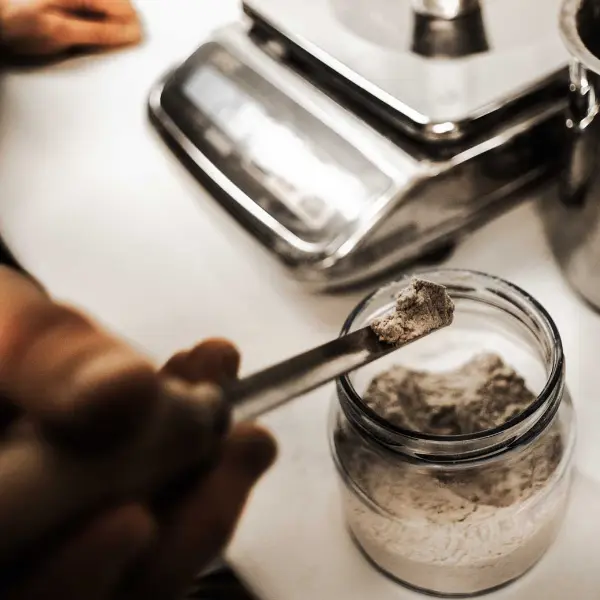
Ash content and falling number are two key terms used to describe the composition and technical properties of flour.
They provide valuable information about how the flour behaves during baking and help to understand its quality, enzyme activity and suitability for different uses.
They provide valuable information about how the flour behaves during baking and help to understand its quality, enzyme activity and suitability for different uses.
- ash content, falling number, featured posts, milling craft
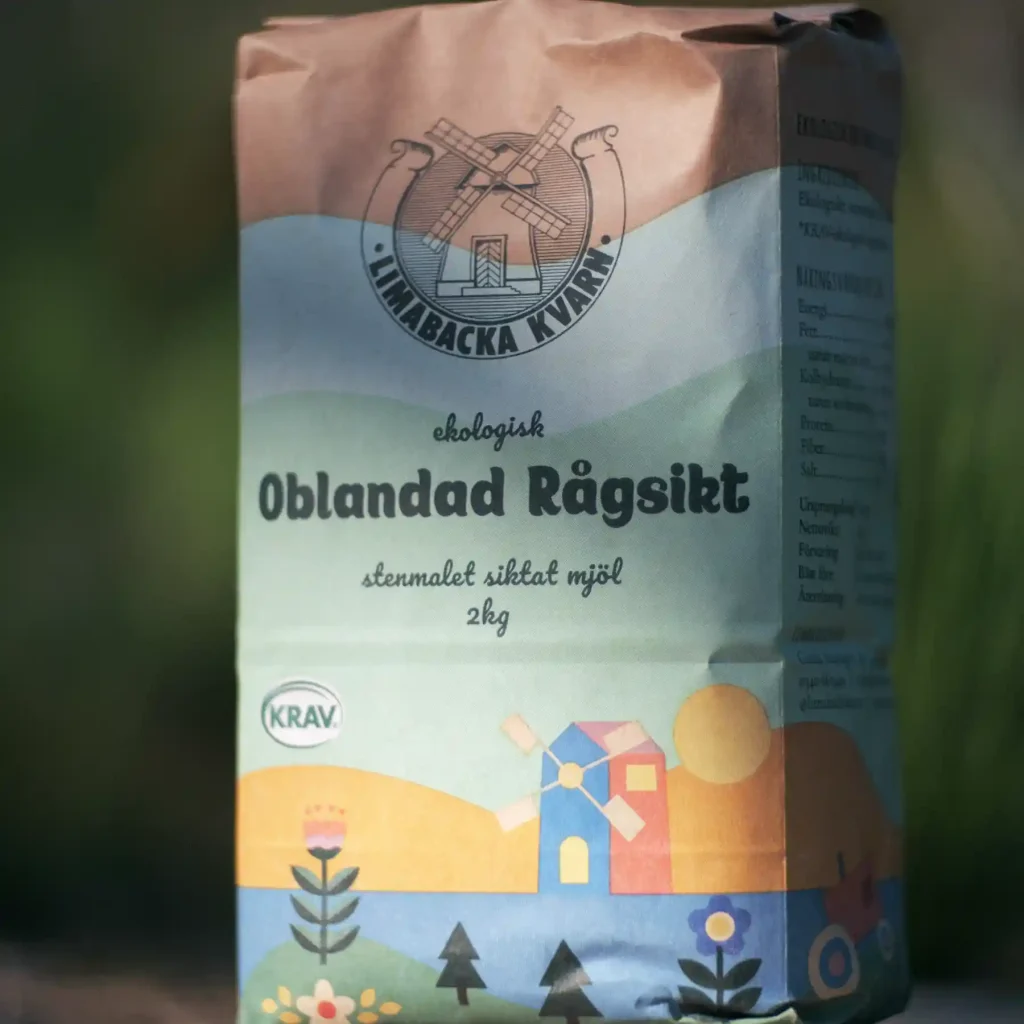
Rye is one of our most traditional cereal crops, grown in Sweden since the Iron Age and deeply rooted in our Nordic bread-making tradition.
Despite its obvious place in everything from crispbread to hearty loaves, rye lost ground during industrialisation, when light wheat flours took over thanks to higher yields and whiter flour.
Despite its obvious place in everything from crispbread to hearty loaves, rye lost ground during industrialisation, when light wheat flours took over thanks to higher yields and whiter flour.
- rye flour, stone mill, wholegrain flour

Oats are one of our most underrated cereals, but also one of the most nutritious and versatile, with uses that go far beyond porridge.
Although oats have long been regarded as inferior to wheat, rye and barley, they have a rich history and properties that make them excellent in everything from bread to pancakes, pies and cakes.
Although oats have long been regarded as inferior to wheat, rye and barley, they have a rich history and properties that make them excellent in everything from bread to pancakes, pies and cakes.
- cereal, oat flour, oats